
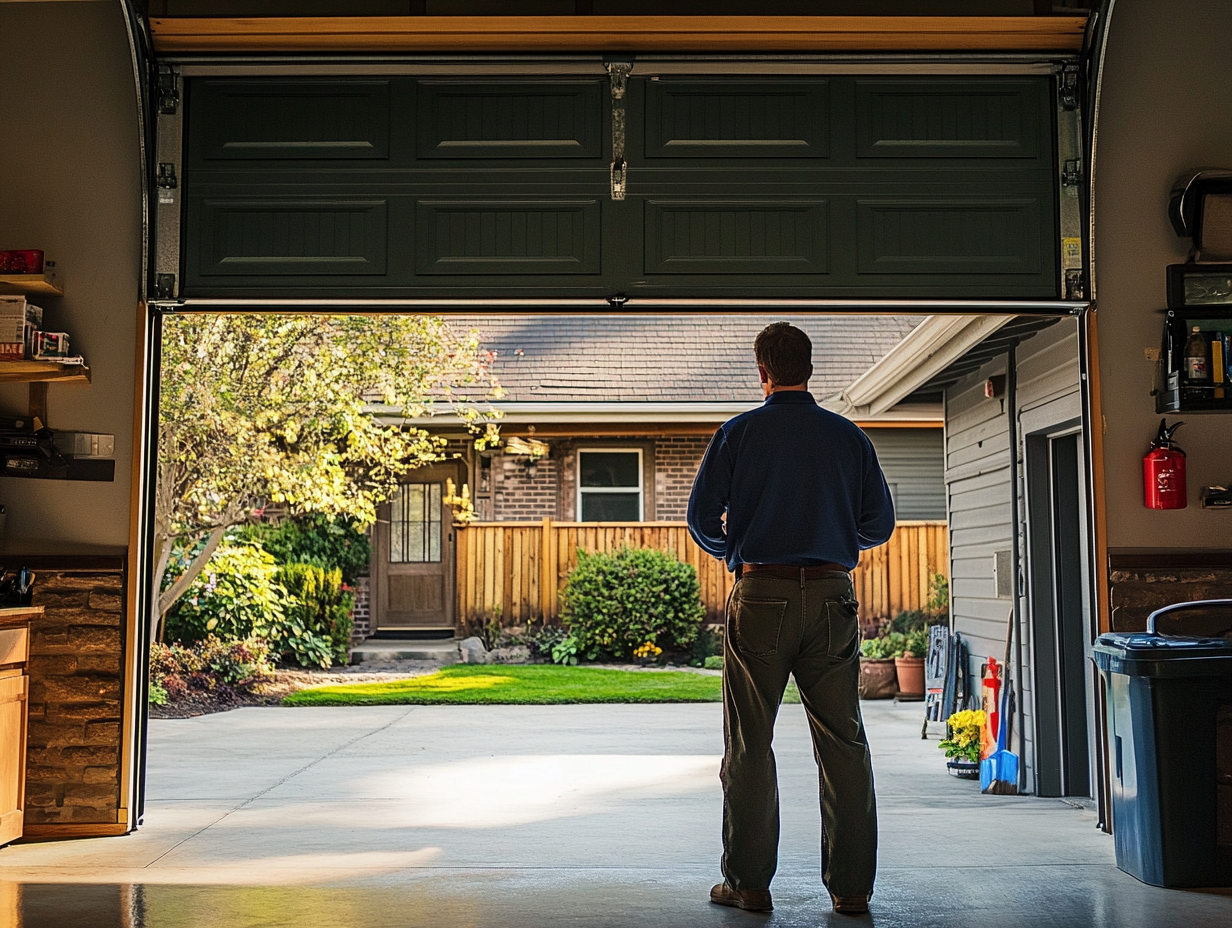
Understanding the legal and practical implications of garage door care helps homeowners and property managers make smarter decisions that protect both their property and their peace of mind.
The Legal Responsibility of Homeowners
Homeownership comes with certain responsibilities, including maintaining structures and equipment in safe working condition. A malfunctioning garage door can pose serious risks:
-
Injuries to family members or visitors
-
Damage to vehicles or neighboring property
-
Liability claims if someone is harmed due to negligence
In many regions, property owners are legally responsible for ensuring that mechanical systems on their property are reasonably safe. If an accident occurs and it is proven that maintenance was neglected, insurance claims or legal disputes may become more complicated.
Safety Risks That Can Lead to Liability
Garage doors operate under high tension and significant weight. Common problems that can create hazards include:
-
Worn or broken springs
-
Misaligned tracks
-
Faulty safety sensors
-
Frayed cables
-
Malfunctioning openers
Even a small mechanical failure can cause the door to close unexpectedly or become unstable. Regular inspections and servicing reduce the risk of accidents and demonstrate responsible ownership.

Insurance and Claims: Why Maintenance Records Matter
Many homeowners don’t realize that maintenance history can influence insurance claims. If a garage door fails and causes damage, insurers may look at whether the equipment was properly maintained.
Keeping records of:
-
Professional inspections
-
Routine maintenance
can help demonstrate that you took reasonable steps to maintain your property.
Compliance With Building Codes and Safety Standards
Modern garage doors are designed with safety features such as auto-reverse mechanisms and photo-eye sensors. These components are not just conveniences—they are often required by safety standards and building regulations.
Upgrading older systems or repairing non-functioning safety devices helps ensure compliance and reduces risk.
Preventive Maintenance Is the Best Protection
Routine garage door maintenance is simple but effective. Recommended practices include:
-
Visual inspection of cables, rollers, and tracks
-
Testing the auto-reverse safety feature
-
Lubricating moving parts
-
Checking balance and alignment
-
Scheduling professional servicing at least once a year
Preventive maintenance costs far less than emergency repairs or legal complications.
Protecting Your Home, Family, and Investment
Your garage door is more than an entry point—it’s a safety system, a security barrier, and a mechanical structure that requires care. By maintaining it properly, homeowners reduce risks, extend the life of the equipment, and avoid situations that could lead to legal or financial stress.
In the end, legal protection often begins with simple prevention. A well-maintained garage door is not just a convenience—it’s part of responsible homeownership.